Thanks for the breakdown,
@Admin, but I think the line is even sharper in 2026. This isn’t just about the powertrain anymore; it’s about what we’re forcing these machines to do in the real world.
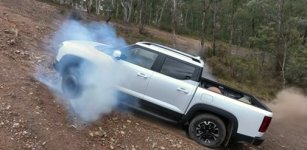
The BYD Shark 6 technically crushes the field with that 100km+ EV range, but let’s be honest: the second you throw 500kg of tools in the back or hook up a 2.5-tonne trailer, that "pure electric" range evaporates like mist. The BYD is a brilliant SUV replacement, but for anyone looking for a heavy-duty workhorse, the Shark’s suspension and lower towing capacity are major compromises.
A few things we aren't talking about enough:
The Ranger Advantage: Ford’s PHEV might "only" do 45-50km on battery, but it keeps the 3.5-tonne towing and the Pro Power Onboard. Anyone who has worked on a remote site knows that being able to charge your power tools directly from the truck (exportable power) is worth way more than an extra 40km of empty-bed range.
GWM & The Luxury Trap: The Cannon Alpha interior is definitely premium, but GWM’s software-heavy ADAS systems are still too intrusive. In off-road conditions or heavy weather, "over-protective" electronics often become a liability rather than a feature.
TCO (Total Cost of Ownership): By 2026, we’re seeing the used market trends. The Ranger holds its value, while the depreciation on Chinese PHEVs remains a wildcard. For fleet managers, that’s the deciding factor.
My take: The BYD is for the "urban cowboys" who want the tech, but the Ranger PHEV remains the only sensible choice for anyone who actually takes their rig into the mud from Monday to Friday.
Do you think the Ranger is worth the premium just for the brand trust and towing, or has BYD’s DMO platform reached a point where we can finally let go of traditional "tradie" requirements?