

George
Member
Installing a home EV charging station is a crucial step for electric vehicle owners to ensure convenient and efficient charging. Here’s a guide on the process, costs, and some top service providers:
Steps for Home EV Charging Installation
Determine Your Charging Needs:
Level 1 Charger: Uses a standard 120-volt outlet. It's slower and typically adds about 4-5 miles of range per hour.
Level 2 Charger: Requires a 240-volt outlet, similar to what is used for a dryer or oven, and can add 25-30 miles of range per hour.
Choose the Right Charger:
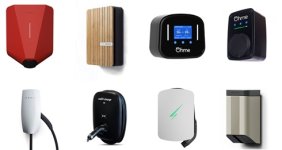
Popular brands include ChargePoint Home Flex, JuiceBox, and Tesla Wall Connector for Tesla owners.
Assess Your Electrical System:
Ensure your home’s electrical panel can handle the additional load of an EV charger. You may need an upgrade if your system is outdated.
Hire a Qualified Electrician:
It’s crucial to hire a certified electrician to assess your home’s electrical capacity and install the charging station safely.
Electricians will handle necessary permits and inspections.
Install the Charging Station:
The electrician will install a dedicated circuit from your electrical panel to the charging location.
Installation typically involves mounting the charging unit on the wall and connecting it to the power supply.
Test the Installation:
Once installed, the electrician will test the charging station to ensure it operates correctly and safely.
Costs of Home EV Charging Installation
Charger Unit: $300 - $700 for a Level 2 charger.
Installation: $500 - $2,000 depending on the complexity, distance from the electrical panel, and any necessary upgrades.
Electrical Upgrades: Additional costs if your electrical panel needs upgrading, ranging from $1,000 to $3,000.
Top Service Providers for Home EV Charging Installation
Qmerit
Overview: Specializes in EV charger installations and offers a network of certified electricians.
Website: Qmerit
Tesla
Overview: Provides home charging installation services specifically for Tesla vehicles through certified installers.
Website: Tesla Charging
ChargePoint Home
Overview: Partners with certified installers to provide installation services for their home chargers.
Website: ChargePoint Home
Additional Considerations
Rebates and Incentives: Many states and utilities offer rebates for purchasing and installing home EV chargers. Check with your local government and utility company.
Smart Chargers: Consider chargers with smart capabilities that allow you to monitor and control charging via a smartphone app.
Conclusion
Installing a home EV charger is a valuable investment for any EV owner, providing convenience and ensuring your vehicle is always ready to go. By selecting the right charger, ensuring your home’s electrical system is prepared, and hiring a qualified electrician, you can have a reliable and efficient home charging solution.
For further details, you can visit resources such as EV Safe Charge and Energy.gov for comprehensive guides on EV charging installation.
Steps for Home EV Charging Installation
Determine Your Charging Needs:
Level 1 Charger: Uses a standard 120-volt outlet. It's slower and typically adds about 4-5 miles of range per hour.
Level 2 Charger: Requires a 240-volt outlet, similar to what is used for a dryer or oven, and can add 25-30 miles of range per hour.
Choose the Right Charger:
Popular brands include ChargePoint Home Flex, JuiceBox, and Tesla Wall Connector for Tesla owners.
Assess Your Electrical System:
Ensure your home’s electrical panel can handle the additional load of an EV charger. You may need an upgrade if your system is outdated.
Hire a Qualified Electrician:
It’s crucial to hire a certified electrician to assess your home’s electrical capacity and install the charging station safely.
Electricians will handle necessary permits and inspections.
Install the Charging Station:
The electrician will install a dedicated circuit from your electrical panel to the charging location.
Installation typically involves mounting the charging unit on the wall and connecting it to the power supply.
Test the Installation:
Once installed, the electrician will test the charging station to ensure it operates correctly and safely.
Costs of Home EV Charging Installation
Charger Unit: $300 - $700 for a Level 2 charger.
Installation: $500 - $2,000 depending on the complexity, distance from the electrical panel, and any necessary upgrades.
Electrical Upgrades: Additional costs if your electrical panel needs upgrading, ranging from $1,000 to $3,000.
Top Service Providers for Home EV Charging Installation
Qmerit
Overview: Specializes in EV charger installations and offers a network of certified electricians.
Website: Qmerit
Tesla
Overview: Provides home charging installation services specifically for Tesla vehicles through certified installers.
Website: Tesla Charging
ChargePoint Home
Overview: Partners with certified installers to provide installation services for their home chargers.
Website: ChargePoint Home
Additional Considerations
Rebates and Incentives: Many states and utilities offer rebates for purchasing and installing home EV chargers. Check with your local government and utility company.
Smart Chargers: Consider chargers with smart capabilities that allow you to monitor and control charging via a smartphone app.
Conclusion
Installing a home EV charger is a valuable investment for any EV owner, providing convenience and ensuring your vehicle is always ready to go. By selecting the right charger, ensuring your home’s electrical system is prepared, and hiring a qualified electrician, you can have a reliable and efficient home charging solution.
For further details, you can visit resources such as EV Safe Charge and Energy.gov for comprehensive guides on EV charging installation.