

The cost of owning an electric car (EV) involves several factors beyond just the purchase price. Here's a breakdown of the various costs associated with owning an EV:
1. Purchase Price:
Entry-Level EVs: Prices start around $25,000 (e.g., Chevrolet Bolt EV, Nissan Leaf).
Mid-Range EVs: Typically range from $40,000 to $60,000 (e.g., Tesla Model 3, Ford Mustang Mach-E).
Luxury EVs: Prices can go well over $70,000 and up (e.g., Tesla Model S, Audi e-tron, Lucid Air).
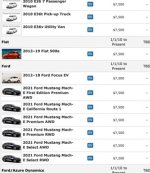
2. Tax Incentives and Rebates:
Federal Tax Credit: Up to $7,500 in the U.S., depending on the model and manufacturer.
State/Local Incentives: Some states offer additional rebates, tax credits, or incentives, ranging from $1,000 to $5,000 or more.
3. Charging Costs:
Home Charging: Charging at home is typically the most cost-effective option. The cost is based on your local electricity rates, which can range from $0.10 to $0.30 per kWh.
For example, if you drive 15,000 miles annually and your EV consumes 30 kWh per 100 miles, you'd use about 4,500 kWh per year. At $0.15 per kWh, that's $675 per year.
Public Charging:
Level 2 Charging: Costs about $0.20 to $0.30 per kWh.
DC Fast Charging: Costs more, ranging from $0.30 to $0.50 per kWh, and sometimes includes a per-minute fee.
4. Maintenance Costs:
Lower Maintenance: EVs have fewer moving parts, no oil changes, and less wear on brakes due to regenerative braking. Maintenance costs are typically 30% to 50% lower than for a comparable internal combustion engine (ICE) vehicle.
Common costs include tire rotations, cabin air filters, and brake fluid replacement. On average, expect to spend $400 to $600 per year.
5. Insurance Costs:
Slightly Higher Premiums: Insurance for EVs can be 10% to 20% higher than for ICE vehicles due to the higher cost of parts and repairs. However, many insurers offer discounts for electric vehicles.
Average annual insurance cost: $1,200 to $2,000 depending on the model and location.
6. Depreciation:
Depreciation Rate: EVs have historically depreciated faster than ICE vehicles, but this gap is narrowing as EV technology improves and demand increases.
Average depreciation over 5 years can be 50% to 60% of the original purchase price, though some models (e.g., Tesla) retain value better.
7. Battery Replacement Costs:
Long Battery Lifespan: Most EV batteries are warranted for 8 years or 100,000 miles. Replacement costs are high, typically $5,000 to $15,000, but this is rare within the typical ownership period.
Some manufacturers offer battery leasing options to mitigate this cost.
8. Resale Value:
Improving Resale Values: As EVs become more popular and widespread, their resale values are improving. Tesla models, in particular, have shown strong resale performance.
Total Cost of Ownership (TCO):
5-Year TCO Comparison: When considering purchase price, charging costs, maintenance, insurance, and incentives, the total cost of ownership for an EV can be competitive with or even lower than that of a comparable ICE vehicle.
For a mid-range EV, expect a 5-year TCO between $45,000 to $55,000.
For an ICE vehicle, a similar TCO might be $50,000 to $60,000.
Summary:
The actual cost of an electric car depends on several factors, including the model, local incentives, electricity rates, and how much you drive. While the upfront cost might be higher, the lower operating and maintenance costs, along with potential incentives, can make EVs a cost-effective choice over time.
Youtube
1. Purchase Price:
Entry-Level EVs: Prices start around $25,000 (e.g., Chevrolet Bolt EV, Nissan Leaf).
Mid-Range EVs: Typically range from $40,000 to $60,000 (e.g., Tesla Model 3, Ford Mustang Mach-E).
Luxury EVs: Prices can go well over $70,000 and up (e.g., Tesla Model S, Audi e-tron, Lucid Air).
2. Tax Incentives and Rebates:
Federal Tax Credit: Up to $7,500 in the U.S., depending on the model and manufacturer.
State/Local Incentives: Some states offer additional rebates, tax credits, or incentives, ranging from $1,000 to $5,000 or more.
3. Charging Costs:
Home Charging: Charging at home is typically the most cost-effective option. The cost is based on your local electricity rates, which can range from $0.10 to $0.30 per kWh.
For example, if you drive 15,000 miles annually and your EV consumes 30 kWh per 100 miles, you'd use about 4,500 kWh per year. At $0.15 per kWh, that's $675 per year.
Public Charging:
Level 2 Charging: Costs about $0.20 to $0.30 per kWh.
DC Fast Charging: Costs more, ranging from $0.30 to $0.50 per kWh, and sometimes includes a per-minute fee.
4. Maintenance Costs:
Lower Maintenance: EVs have fewer moving parts, no oil changes, and less wear on brakes due to regenerative braking. Maintenance costs are typically 30% to 50% lower than for a comparable internal combustion engine (ICE) vehicle.
Common costs include tire rotations, cabin air filters, and brake fluid replacement. On average, expect to spend $400 to $600 per year.
5. Insurance Costs:
Slightly Higher Premiums: Insurance for EVs can be 10% to 20% higher than for ICE vehicles due to the higher cost of parts and repairs. However, many insurers offer discounts for electric vehicles.
Average annual insurance cost: $1,200 to $2,000 depending on the model and location.
6. Depreciation:
Depreciation Rate: EVs have historically depreciated faster than ICE vehicles, but this gap is narrowing as EV technology improves and demand increases.
Average depreciation over 5 years can be 50% to 60% of the original purchase price, though some models (e.g., Tesla) retain value better.
7. Battery Replacement Costs:
Long Battery Lifespan: Most EV batteries are warranted for 8 years or 100,000 miles. Replacement costs are high, typically $5,000 to $15,000, but this is rare within the typical ownership period.
Some manufacturers offer battery leasing options to mitigate this cost.
8. Resale Value:
Improving Resale Values: As EVs become more popular and widespread, their resale values are improving. Tesla models, in particular, have shown strong resale performance.
Total Cost of Ownership (TCO):
5-Year TCO Comparison: When considering purchase price, charging costs, maintenance, insurance, and incentives, the total cost of ownership for an EV can be competitive with or even lower than that of a comparable ICE vehicle.
For a mid-range EV, expect a 5-year TCO between $45,000 to $55,000.
For an ICE vehicle, a similar TCO might be $50,000 to $60,000.
Summary:
The actual cost of an electric car depends on several factors, including the model, local incentives, electricity rates, and how much you drive. While the upfront cost might be higher, the lower operating and maintenance costs, along with potential incentives, can make EVs a cost-effective choice over time.
Youtube