

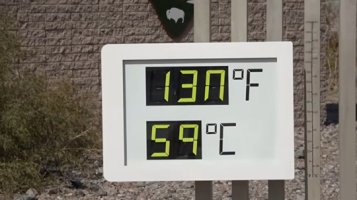
Tesla vehicles, like all electric cars, can face specific challenges when operating in extremely high temperatures, such as those that could occur on a day when temperatures reach 59 degrees Celsius (131 degrees Fahrenheit). Here are some considerations and the general performance of Tesla vehicles in such conditions:
Battery Performance
Thermal Management System: Tesla vehicles are equipped with advanced thermal management systems designed to maintain the battery pack at an optimal temperature. This system helps prevent overheating and ensures the battery operates efficiently even in extreme temperatures.
Range Reduction: High temperatures can lead to increased battery drain, which might reduce the overall range of the vehicle. The air conditioning system, which would be heavily used in such conditions, also contributes to energy consumption.
Battery Degradation: Prolonged exposure to extreme heat can potentially accelerate battery degradation over time, though Tesla's thermal management is designed to minimize this risk.
Cabin Comfort
Air Conditioning: The air conditioning system in a Tesla is electric and can be quite effective at maintaining a comfortable cabin temperature, though it does use a significant amount of energy.
Preconditioning: Tesla offers a preconditioning feature, allowing owners to cool the cabin while the vehicle is still plugged in, reducing the load on the battery once the journey starts.
Vehicle Systems
Software Adjustments: Tesla frequently updates its software, which can include optimizations for battery and thermal management in extreme weather conditions.
Autopilot and Safety Features: High temperatures should not impact Tesla's safety features or Autopilot systems, as these are designed to function across a wide range of environmental conditions.
Practical Considerations
Parking in Shade: When possible, parking in shaded areas or using a car cover can help reduce the interior temperature and the load on the air conditioning system.
Avoiding Peak Heat: Driving during cooler parts of the day, such as early morning or late evening, can help mitigate some of the challenges associated with extreme heat.
Charging Concerns: Charging a Tesla in extremely hot conditions might require longer periods for the battery to cool before charging can commence at full speed, as the thermal management system ensures safe operation.
Overall Performance
Tesla vehicles are generally well-equipped to handle extreme temperatures due to their sophisticated thermal management systems. However, owners should be aware of the potential for reduced range and increased energy consumption due to the air conditioning load. Additionally, taking measures to reduce heat exposure can help maintain both the vehicle's efficiency and battery health over the long term.
Youtube
Battery Performance
Thermal Management System: Tesla vehicles are equipped with advanced thermal management systems designed to maintain the battery pack at an optimal temperature. This system helps prevent overheating and ensures the battery operates efficiently even in extreme temperatures.
Range Reduction: High temperatures can lead to increased battery drain, which might reduce the overall range of the vehicle. The air conditioning system, which would be heavily used in such conditions, also contributes to energy consumption.
Battery Degradation: Prolonged exposure to extreme heat can potentially accelerate battery degradation over time, though Tesla's thermal management is designed to minimize this risk.
Cabin Comfort
Air Conditioning: The air conditioning system in a Tesla is electric and can be quite effective at maintaining a comfortable cabin temperature, though it does use a significant amount of energy.
Preconditioning: Tesla offers a preconditioning feature, allowing owners to cool the cabin while the vehicle is still plugged in, reducing the load on the battery once the journey starts.
Vehicle Systems
Software Adjustments: Tesla frequently updates its software, which can include optimizations for battery and thermal management in extreme weather conditions.
Autopilot and Safety Features: High temperatures should not impact Tesla's safety features or Autopilot systems, as these are designed to function across a wide range of environmental conditions.
Practical Considerations
Parking in Shade: When possible, parking in shaded areas or using a car cover can help reduce the interior temperature and the load on the air conditioning system.
Avoiding Peak Heat: Driving during cooler parts of the day, such as early morning or late evening, can help mitigate some of the challenges associated with extreme heat.
Charging Concerns: Charging a Tesla in extremely hot conditions might require longer periods for the battery to cool before charging can commence at full speed, as the thermal management system ensures safe operation.
Overall Performance
Tesla vehicles are generally well-equipped to handle extreme temperatures due to their sophisticated thermal management systems. However, owners should be aware of the potential for reduced range and increased energy consumption due to the air conditioning load. Additionally, taking measures to reduce heat exposure can help maintain both the vehicle's efficiency and battery health over the long term.
Youtube