

Ford F-150 vs Toyota Tundra i-Force MAX vs Ford Maverick
Hybrid pickup comparison: towing, fuel economy, dimensions, costs, and real-world use
Hybrid pickup trucks are no longer niche vehicles. Buyers today are comparing full-size capability, hybrid efficiency, and urban usability—often across very different truck classes.
This breakdown compares the Ford F-150 (PowerBoost Hybrid), Toyota Tundra i-Force MAX, and Ford Maverick Hybrid across the areas that matter most in real ownership.
1. Powertrain & Hybrid Technology
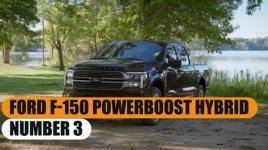
Ford F-150 PowerBoost Hybrid
- 3.5L twin-turbo V6 + electric motor
- ~430 hp / 570 lb-ft torque
- Full hybrid system focused on power and efficiency
- Optional Pro Power Onboard generator system
- 3.5L twin-turbo V6 hybrid
- ~437 hp / 583 lb-ft torque
- Hybrid system tuned for torque and towing stability
- Electric motor integrated into the transmission
- 2.5L naturally aspirated hybrid
- 191 hp
- Efficiency-first design
- CVT transmission, front-wheel drive standard
F-150 and Tundra hybrids are performance-oriented full-size trucks. Maverick is a compact hybrid designed primarily for daily driving and light work.
2. Towing Capacity
| Model | Max Towing |
|---|---|
| Ford F-150 Hybrid | up to ~12,000 lbs |
| Toyota Tundra i-Force MAX | up to ~12,000 lbs |
| Ford Maverick Hybrid | 2,000 lbs |
| Maverick EcoBoost (optional) | up to 4,000 lbs |
Insight:
Despite being hybrids, the F-150 and Tundra compete directly with traditional V8 trucks in towing. The Maverick is not intended for heavy hauling.
3. Dimensions & Ground Clearance
Ford F-150
- Length: ~231–250 in (cab/bed dependent)
- Width: ~80 in
- Ground clearance: ~8.6 in
- Length: ~233 in
- Width: ~80 in
- Ground clearance: up to ~10.4 in (TRD trims)
- Length: 199.7 in
- Ground clearance: ~8.3 in
Maverick fits parking garages and tight streets. Tundra has the best stock off-road stance. F-150 balances both.
4. Bed Size & Utility
- F-150: 5.5 ft / 6.5 ft / 8 ft beds
- Tundra: 5.5 ft or 6.5 ft beds
- Maverick: 4.5 ft bed with FLEXBED system
5. Fuel Consumption (Real-World Combined)
| Model | MPG (Combined) |
|---|---|
| F-150 Hybrid | ~24–25 MPG |
| Tundra i-Force MAX | ~21–22 MPG |
| Maverick Hybrid | ~37 MPG |
City driving:
- Maverick Hybrid: ~40 MPG
- F-150 Hybrid: ~24 MPG
- Tundra Hybrid: ~20–22 MPG
6. Driving Range
- F-150 Hybrid: 700+ miles possible
- Tundra i-Force MAX: ~600 miles
- Maverick Hybrid: ~500 miles
7. Maintenance, Insurance & Ownership Costs
Ford F-150
- Moderate maintenance
- Higher insurance (size + value)
- Wide availability of parts
- Slightly lower long-term maintenance
- Strong reliability reputation
- Higher upfront hybrid cost
- Lowest maintenance and insurance
- Simplest hybrid system
- Best total cost of ownership
8. Interior & Technology
- F-150: Luxury-level trims, large displays, work-focused tech
- Tundra: SUV-like comfort, large infotainment, solid materials
- Maverick: Minimalist, practical, youthful design
9. Pricing (Approx.)
| Model | Starting Price |
|---|---|
| Ford F-150 | ~$35,000 → $80,000+ |
| Tundra i-Force MAX | ~$50,000+ |
| Ford Maverick Hybrid | ~$24,000 |
10. Reliability & Known Issues
- F-150: Occasional electronics and transmission complaints
- Tundra: Strong durability reputation, fewer systemic issues
- Maverick: Early production electronics issues, improving over time
Final Verdict: Which One Is Right for You?
- Choose the Ford F-150 Hybrid if you want maximum capability, towing, and long-range efficiency in a full-size truck.
- Choose the Toyota Tundra i-Force MAX if durability, torque, and long-term reliability are your priorities.
- Choose the Ford Maverick Hybrid if you need a city-friendly, affordable, extremely fuel-efficient pickup.
Youtube
Last edited:

