

On paper, the new Audi Q5 e-hybrid looks like the clear winner with more power and longer electric range but the BMW X3 still fights back where it matters most.
When you compare performance, efficiency, and real-world usability, the choice isn’t as obvious as it seems.
Audi Q5 e‑hybrid (2026)
- Comes in two power levels:
- 220 kW / 450 Nm: ~6.2 s for 0–100 km/h
- 270 kW / 500 Nm: ~5.1 s
- 25.9 kWh (gross) battery → Up to ~100 km WLTP EV range
- EV mode operable up to ~140 km/h
- AC charging up to 11 kW, full charge in ~2.5 hours
BMW X3 xDrive30e
- 2.0 L petrol + electric motor
- Combined output: ~295 hp (~220 kW) and ~332 lb-ft (~450 Nm)
- 19.7 kWh battery → ~90 km WLTP electric range
- AC charging at 11 kW, ~2 h 15 min full charge time
Verdict: Audi wins in EV range and peak power, while BMW still provides strong hybrid efficiency with slightly lower electric-only range.
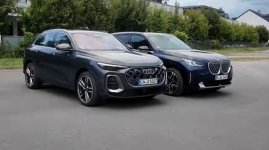
Performance & Efficiency
| Feature | Audi Q5 e‑hybrid | BMW X3 xDrive30e |
|---|---|---|
| 0–100 km/h (highest tune) | ~5.1 s | ~6.2 s |
| Electric-only range (WLTP) | ~100 km | ~90 km |
| Charging | 11 kW AC ~2.5 h | 11 kW AC ~2.25 h |
| Combined fuel economy (WLTP/EPA equiv.) | ~26–27 mpg / low single‑digit l/100 km | ~27/33 mpg / slightly more efficient city |
| Bootspace | ~438 L upright (wagon) | ~1,600 L max with seats folded |
Verdict: The Audi offers higher performance and EV range; BMW achieves slightly better fuel efficiency and more cargo space.
Cabin & Tech
Audi Q5
- Premium, tech-heavy interior:
- 14.5″ infotainment touchscreen
- 11.9″ digital instrument cluster
- Optional 10.9″ passenger display
- Android Automotive OS, 5G, OTA updates, wireless CarPlay/Android Auto
- Optional Bang & Olufsen 16‑speaker sound system, ambient lighting
- Suite of driver-assistance tech: adaptive cruise, lane-keep assist, 360° cameras, pre-sense safety
BMW X3
- Clean, minimalist design with curved panoramic display (iDrive 9)
- Ambient lighting configurable via My Modes; fabric trims available
- Spacious, subtle tech integration: steering wheels, HUD, rear user features
- Described with a “Shy Tech” approach for less intrusive functionality
- Praised for handling: lighter nose, engaging chassis feel
- X3 30e noted as the most premium and fun to drive among the new X3 range
Verdict: Audi prioritizes immersive digitization; BMW favors understated elegance and driver-focused cabin dynamics.
Pricing & Value
- Audi Q5 e‑hybrid (Europe): ~€63,400 for base SUV; €65,900 for Sportback; higher‑power option adds ~€8,400 (~26 M HUF in Hungary)
- In U.S./Canada: Expected starting around $55K (Q5 Hybrid) vs. $56K for X3 xDrive30e
Summary: Audi is slightly more expensive depending on trim, but delivers more EV range and premium equipment standard.
Pros & Cons at a Glance
Audi Q5 e‑hybrid
Pros:
- Long electric range (up to 100 km WLTP)
- Strong performance baseline
- Cutting‑edge tech and display interfaces
- Premium interior quality
Cons: - Pricier than BMW hybrid sibling
- Boot space slightly less flexible
- Hybrid complexity potentially higher maintenance costs
BMW X3 xDrive30e
Pros:
- Excellent fuel efficiency and MPG
- Engaging drive, sharper chassis and handling
- Larger cargo capacity and overall interior space
- Price slightly lower at entry-level
Cons: - Less electric-only range
- Less flashy tech and fewer screens
- Inside styling more conservative
So which should YOU choose?
- Choose the Audi Q5 e‑hybrid if you want the most EV-only range, a richer digital cabin, stronger performance, and don’t mind paying a premium.
- Pick the BMW X3 xDrive30e if you prefer a sportier drive feel, better fuel economy, more cargo flexibility, and a more modest pricing package.
Final thoughts:
- Both deliver smart hybrid powertrains with AWD grip.
- Audi emphasizes tech, refinement, and electric-first use cases.
- BMW leans into driver engagement, efficiency, and practicality.
Last edited: