

What’s Great About the 2025 A3
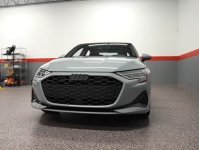
1. Premium feel at entry-level prices
- Starting around $38,200–$42,100, it's one of the more affordable luxury sedans
- Standard quattro AWD, 201 hp turbo engine, modern LED lights, panoramic sunroof, and a 10‑inch MMI touchscreen enhance its appeal .
2. Balanced driving dynamics
- Peppy acceleration (0–60 mph ~6.4 s), sharp handling, and a composed ride make it enjoyable behind the wheel
- The 48 V mild-hybrid system improves efficiency without compromising responsiveness
- Cabin upgrades include softer-touch materials, enhanced ambient lighting, stock Virtual Cockpit, wireless Apple CarPlay/Android Auto, USB‑C ports and optional Sonos/B&O sound systems
- Physical buttons (volume, climate control) mean less menu-digging compared to rivals
- EPA estimates around 24 mpg city / 34 mpg highway; WLTP figures in Europe offer 5.7–5.8 L/100 km (≈40–41 mpg)
Potential Downsides
1. Priced at premium level
- After adding options, the price can reach the mid-$40 k range – close to better-equipped compact rivals
Limited trunk (~10.9 cu ft) and a somewhat cramped rear seat space compared to competitors
3. Interior materials still fall short
- Despite improvements, some hard plastics remain, and materials don’t feel fully on par with rivals
- Sport or lower trim suspension can feel under-damped; brake feel can be inconsistent due to mild-hybrid regen blending
- Audi parts are pricier; dealership labor rates add up. Independent shops help, but expect higher costs than Japanese brands
- Common long-term issues: transmission wear, occasional oil consumption, and software/electrical quirks as mileage increases
Owner Perspectives
Reddit owners share insights:
And from a cross-shopping thread:“Parts really aren’t that expensive… dealership labor rates are the killer.”
“My 2020 A3… oil every 5 k is $85 and I have Audi Care… no issues.”
“Mazda… maintenance is cheaper… base A3 is not very special.”
Mechanic’s Verdict
- Engine & Transmission: Smooth and efficient, though long-term oil use and dual-clutch wear require vigilance and regular fluid changes .
- Suspension & Brakes: Well-tuned, though sport suspension can feel firm; plan to inspect brake systems regularly notaguru.co.uk+1capitalmotorcars.com+1.
- Electrical/Infotainment: Mostly reliable but occasional hiccups in software or cluster functions — keep the firmware updated .
- Overall Cost to Own: Above average compared to non-luxury compacts. Audi Care or a good independent specialist helps control costs.
So, Should You Buy It?
| Need | 2025 Audi A3 Fit |
|---|---|
| Premium look + AWD + fun handling | Great choice |
| Rich infotainment + sleek interior | Good, though materials aren't flagship-level |
| Spacious cargo/passenger needs | Might be tight |
| Low maintenance cost priority | Higher than non-luxury rivals |
| Prefer sporty, quick car | Consider stepping up to S3 |
Final Take
If you're seeking a stylish, fun-to-drive luxury compact with AWD, modern tech, and are prepared for higher upkeep costs, the 2025 A3 delivers great value. Just go in knowing it’s not the roomiest, and budget for maintenance.
If you care more about space or low long-term costs, consider well-equipped non-luxury alternatives (Mazda 3, Honda Civic), or step up to the S3 for a stronger sport profile.
Advice for Buyers:
- Thorough test-drive is a must pay attention to ride comfort and brake response.
- Evaluate real-world running costs in your region insurance, fuel, servicing.
- Compare total cost of ownership with non-premium choices.
Last edited:
