

evlover
Active member
The Toyota Highlander is a popular midsize SUV known for its reliability and versatility, but like any vehicle, it has its downsides that may make some buyers hesitate. Below are reasons some might avoid buying a Toyota Highlander, including details on price, battery, size, warranty, and other aspects:
Toyota Highlaner
1. Price
The Toyota Highlander is considered expensive compared to some competitors. The price for the 2024 Toyota Highlander starts around $38,000 for the base model and can go up to $50,000+ for higher trims, like the Platinum.
There are other SUVs in the same segment that offer similar or more features at a lower cost, such as the Kia Sorento or Hyundai Palisade.
2. Battery & Hybrid Model
The Highlander Hybrid offers a 2.5-liter 4-cylinder engine paired with electric motors. The battery is 1.9 kWh lithium-ion.
The battery range in hybrid mode is limited, as the Highlander Hybrid is not a plug-in hybrid (PHEV). It uses battery power primarily to improve fuel efficiency, not for extended electric-only driving.
Fuel economy is good for a vehicle of its size, with around 35 MPG combined, but some hybrids and PHEVs from competitors offer longer electric ranges or better mileage.
3. Size, Dimensions, and Capacity
Length: 194.9 inches
Width: 76.0 inches
Height: 68.1 inches
Belly height (ground clearance): 8.0 inches
Trunk size: 16 cubic feet behind the third row (could be considered small for a family SUV).
Passenger capacity: 7-8 passengers, depending on configuration.
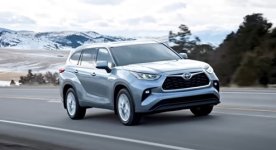
The Highlander’s third-row seats are tight for adults, making it more suitable for children or shorter trips. If you need more third-row space, you might consider something larger like the Kia Telluride or Chevy Traverse.
4. Warranty
The standard Toyota warranty includes:
3 years/36,000 miles basic warranty.
5 years/60,000 miles powertrain warranty.
The hybrid model comes with an additional 8 years/100,000 miles hybrid battery warranty, but some competitors offer better battery warranties, especially for plug-in hybrid or fully electric models.
5. Off-Road Capability
While the Highlander is equipped with all-wheel drive (AWD) options, it is not designed for serious off-roading. Its 8.0 inches of ground clearance is decent, but the suspension and AWD system are built more for handling bad weather or light trails, not rugged terrain.
SUVs like the Jeep Grand Cherokee or Toyota 4Runner are better options if you need off-road capability.
6. Annual Maintenance Costs
The average annual maintenance cost for the Toyota Highlander is approximately $500 to $600. This includes oil changes, brake pads, fluid changes, and other routine maintenance. While this is reasonable, hybrid components may lead to slightly higher repair costs down the line.
Hybrid models tend to have higher long-term repair costs, especially once the battery warranty expires.
7. Insurance Prices
Insurance for a Toyota Highlander typically ranges between $1,200 to $1,500 per year, depending on factors like the driver’s profile and location.
Hybrid models might have slightly higher premiums due to the extra cost of replacing or repairing hybrid components.
8. Common Faults
Transmission issues: Some owners have reported jerky or delayed transmission shifts in older models. Though less common in recent models, it's still worth considering.
Braking system: Some users report a soft or unresponsive brake pedal feel, especially in the hybrid variant, which uses regenerative braking.
Infotainment system glitches: There have been complaints about the Toyota Entune system being slow or unresponsive in some models.
Third-row seating: Complaints about cramped third-row seats, which are uncomfortable for taller passengers, especially on longer trips.
Interior quality concerns: While durable, some users have mentioned that the interior materials feel a bit plasticky and less premium than competitors like the Mazda CX-9.
9. Fuel and 60-Mile Cost
The Highlander Hybrid’s fuel economy is impressive, with around 36 MPG city and 35 MPG highway.
For a 60-mile drive, assuming gas prices are around $4/gallon, the cost would be around $7-8, depending on driving conditions.
Conclusion: Why You Might Want to Avoid It
Price: It is one of the pricier options in the midsize SUV class, especially when you consider other similarly equipped competitors.
Battery and Hybrid Limitations: The Highlander Hybrid is fuel-efficient but lacks the electric-only driving range of plug-in hybrids (PHEVs).
Cramped Third Row: If you often need to carry adults in the third row, the limited space could be a dealbreaker.
Off-Road Limitations: Not suitable for heavy off-roading despite having AWD.
Potential Issues: Transmission, infotainment system glitches, and braking feel concerns have been reported.
If you're looking for a family SUV that balances reliability with space and features, the Highlander is worth considering. However, if you need more off-road capability, better interior materials, or a lower price, it might be wise to explore alternatives like the Kia Telluride, Hyundai Palisade, or Mazda CX-9.
Youtube
Toyota Highlaner
1. Price
The Toyota Highlander is considered expensive compared to some competitors. The price for the 2024 Toyota Highlander starts around $38,000 for the base model and can go up to $50,000+ for higher trims, like the Platinum.
There are other SUVs in the same segment that offer similar or more features at a lower cost, such as the Kia Sorento or Hyundai Palisade.
2. Battery & Hybrid Model
The Highlander Hybrid offers a 2.5-liter 4-cylinder engine paired with electric motors. The battery is 1.9 kWh lithium-ion.
The battery range in hybrid mode is limited, as the Highlander Hybrid is not a plug-in hybrid (PHEV). It uses battery power primarily to improve fuel efficiency, not for extended electric-only driving.
Fuel economy is good for a vehicle of its size, with around 35 MPG combined, but some hybrids and PHEVs from competitors offer longer electric ranges or better mileage.
3. Size, Dimensions, and Capacity
Length: 194.9 inches
Width: 76.0 inches
Height: 68.1 inches
Belly height (ground clearance): 8.0 inches
Trunk size: 16 cubic feet behind the third row (could be considered small for a family SUV).
Passenger capacity: 7-8 passengers, depending on configuration.
The Highlander’s third-row seats are tight for adults, making it more suitable for children or shorter trips. If you need more third-row space, you might consider something larger like the Kia Telluride or Chevy Traverse.
4. Warranty
The standard Toyota warranty includes:
3 years/36,000 miles basic warranty.
5 years/60,000 miles powertrain warranty.
The hybrid model comes with an additional 8 years/100,000 miles hybrid battery warranty, but some competitors offer better battery warranties, especially for plug-in hybrid or fully electric models.
5. Off-Road Capability
While the Highlander is equipped with all-wheel drive (AWD) options, it is not designed for serious off-roading. Its 8.0 inches of ground clearance is decent, but the suspension and AWD system are built more for handling bad weather or light trails, not rugged terrain.
SUVs like the Jeep Grand Cherokee or Toyota 4Runner are better options if you need off-road capability.
6. Annual Maintenance Costs
The average annual maintenance cost for the Toyota Highlander is approximately $500 to $600. This includes oil changes, brake pads, fluid changes, and other routine maintenance. While this is reasonable, hybrid components may lead to slightly higher repair costs down the line.
Hybrid models tend to have higher long-term repair costs, especially once the battery warranty expires.
7. Insurance Prices
Insurance for a Toyota Highlander typically ranges between $1,200 to $1,500 per year, depending on factors like the driver’s profile and location.
Hybrid models might have slightly higher premiums due to the extra cost of replacing or repairing hybrid components.
8. Common Faults
Transmission issues: Some owners have reported jerky or delayed transmission shifts in older models. Though less common in recent models, it's still worth considering.
Braking system: Some users report a soft or unresponsive brake pedal feel, especially in the hybrid variant, which uses regenerative braking.
Infotainment system glitches: There have been complaints about the Toyota Entune system being slow or unresponsive in some models.
Third-row seating: Complaints about cramped third-row seats, which are uncomfortable for taller passengers, especially on longer trips.
Interior quality concerns: While durable, some users have mentioned that the interior materials feel a bit plasticky and less premium than competitors like the Mazda CX-9.
9. Fuel and 60-Mile Cost
The Highlander Hybrid’s fuel economy is impressive, with around 36 MPG city and 35 MPG highway.
For a 60-mile drive, assuming gas prices are around $4/gallon, the cost would be around $7-8, depending on driving conditions.
Conclusion: Why You Might Want to Avoid It
Price: It is one of the pricier options in the midsize SUV class, especially when you consider other similarly equipped competitors.
Battery and Hybrid Limitations: The Highlander Hybrid is fuel-efficient but lacks the electric-only driving range of plug-in hybrids (PHEVs).
Cramped Third Row: If you often need to carry adults in the third row, the limited space could be a dealbreaker.
Off-Road Limitations: Not suitable for heavy off-roading despite having AWD.
Potential Issues: Transmission, infotainment system glitches, and braking feel concerns have been reported.
If you're looking for a family SUV that balances reliability with space and features, the Highlander is worth considering. However, if you need more off-road capability, better interior materials, or a lower price, it might be wise to explore alternatives like the Kia Telluride, Hyundai Palisade, or Mazda CX-9.
Youtube
Last edited by a moderator: