

Electric cars (EVs) are generally more expensive than their internal combustion engine (ICE) counterparts due to several factors, ranging from the cost of batteries to manufacturing processes and economies of scale. Here's a detailed look at why electric cars are so expensive:
1. Battery Costs
High Cost of Batteries: The most significant component contributing to the cost of EVs is the battery pack. Lithium-ion batteries, which are commonly used in EVs, are expensive to produce due to the cost of raw materials (such as lithium, cobalt, and nickel) and the complex manufacturing process.
Battery Development and Innovation: Investment in research and development to improve battery efficiency, capacity, and longevity also adds to the overall cost. Companies are working on developing better batteries, which requires substantial financial resources.
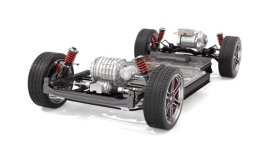
2. Technology and R&D
Advanced Technology: EVs incorporate cutting-edge technology, including electric drivetrains, sophisticated software for battery management, regenerative braking systems, and advanced infotainment systems. Developing and integrating these technologies is costly.
Research and Development: Continuous R&D is necessary for improving battery technology, energy efficiency, and vehicle performance. This R&D investment is substantial and is factored into the vehicle's cost.
3. Manufacturing Processes
New Manufacturing Techniques: Producing electric vehicles requires new manufacturing techniques and retooling of existing production lines. Setting up or upgrading facilities to produce EVs involves significant capital expenditure.
Limited Economies of Scale: The production volume of EVs is still lower compared to traditional ICE vehicles. Lower production volumes mean higher per-unit costs due to less optimization and fewer economies of scale.
4. Supply Chain and Raw Materials
Raw Material Prices: The materials used in EV batteries, such as lithium, cobalt, and nickel, are expensive. Additionally, fluctuations in the prices of these raw materials can impact the overall cost.
Supply Chain Complexity: The supply chain for EV components, especially batteries, is complex and still developing. Sourcing materials and components can be more challenging and costly compared to the well-established supply chains for ICE vehicles.
5. Government Policies and Incentives
Subsidies and Incentives: While many governments offer subsidies and incentives to reduce the purchase price of EVs for consumers, these incentives can vary significantly by region and are not always sufficient to offset the higher initial cost.
Regulatory Compliance: Complying with environmental regulations and standards for electric vehicles can involve additional costs in terms of certification and meeting specific criteria.
6. Market Demand and Positioning
Premium Positioning: Many EV manufacturers, including Tesla, position their vehicles in the premium segment, offering advanced features, high performance, and luxury, which inherently come with a higher price tag.
Early Adoption Phase: The EV market is still in the early adoption phase, where initial adopters are often willing to pay a premium for the latest technology. As the market matures and demand increases, prices are expected to decrease.
7. Infrastructure and After-Sales Service
Charging Infrastructure: Developing and maintaining a robust charging infrastructure also adds to the cost. Manufacturers often invest in building their own networks or partnerships to ensure convenient charging options for their customers.
Maintenance and Training: After-sales service for EVs requires specialized training for technicians and new diagnostic tools, which can contribute to higher service costs initially.
Future Outlook
Despite the current high costs, the price of electric vehicles is expected to decrease over time due to:
Advancements in Battery Technology: Ongoing improvements in battery technology and production techniques will likely reduce costs.
Increased Production Volumes: As demand grows and production scales up, economies of scale will drive down manufacturing costs.
Supply Chain Optimization: As the supply chain for EV components matures, efficiencies and reduced costs will follow.
Government Policies: Continued government support and policies aimed at encouraging EV adoption can help lower costs for consumers.
In summary, while electric cars are currently more expensive than traditional vehicles, various factors contribute to this cost, and ongoing advancements are expected to make EVs more affordable in the future.
1. Battery Costs
High Cost of Batteries: The most significant component contributing to the cost of EVs is the battery pack. Lithium-ion batteries, which are commonly used in EVs, are expensive to produce due to the cost of raw materials (such as lithium, cobalt, and nickel) and the complex manufacturing process.
Battery Development and Innovation: Investment in research and development to improve battery efficiency, capacity, and longevity also adds to the overall cost. Companies are working on developing better batteries, which requires substantial financial resources.
2. Technology and R&D
Advanced Technology: EVs incorporate cutting-edge technology, including electric drivetrains, sophisticated software for battery management, regenerative braking systems, and advanced infotainment systems. Developing and integrating these technologies is costly.
Research and Development: Continuous R&D is necessary for improving battery technology, energy efficiency, and vehicle performance. This R&D investment is substantial and is factored into the vehicle's cost.
3. Manufacturing Processes
New Manufacturing Techniques: Producing electric vehicles requires new manufacturing techniques and retooling of existing production lines. Setting up or upgrading facilities to produce EVs involves significant capital expenditure.
Limited Economies of Scale: The production volume of EVs is still lower compared to traditional ICE vehicles. Lower production volumes mean higher per-unit costs due to less optimization and fewer economies of scale.
4. Supply Chain and Raw Materials
Raw Material Prices: The materials used in EV batteries, such as lithium, cobalt, and nickel, are expensive. Additionally, fluctuations in the prices of these raw materials can impact the overall cost.
Supply Chain Complexity: The supply chain for EV components, especially batteries, is complex and still developing. Sourcing materials and components can be more challenging and costly compared to the well-established supply chains for ICE vehicles.
5. Government Policies and Incentives
Subsidies and Incentives: While many governments offer subsidies and incentives to reduce the purchase price of EVs for consumers, these incentives can vary significantly by region and are not always sufficient to offset the higher initial cost.
Regulatory Compliance: Complying with environmental regulations and standards for electric vehicles can involve additional costs in terms of certification and meeting specific criteria.
6. Market Demand and Positioning
Premium Positioning: Many EV manufacturers, including Tesla, position their vehicles in the premium segment, offering advanced features, high performance, and luxury, which inherently come with a higher price tag.
Early Adoption Phase: The EV market is still in the early adoption phase, where initial adopters are often willing to pay a premium for the latest technology. As the market matures and demand increases, prices are expected to decrease.
7. Infrastructure and After-Sales Service
Charging Infrastructure: Developing and maintaining a robust charging infrastructure also adds to the cost. Manufacturers often invest in building their own networks or partnerships to ensure convenient charging options for their customers.
Maintenance and Training: After-sales service for EVs requires specialized training for technicians and new diagnostic tools, which can contribute to higher service costs initially.
Future Outlook
Despite the current high costs, the price of electric vehicles is expected to decrease over time due to:
Advancements in Battery Technology: Ongoing improvements in battery technology and production techniques will likely reduce costs.
Increased Production Volumes: As demand grows and production scales up, economies of scale will drive down manufacturing costs.
Supply Chain Optimization: As the supply chain for EV components matures, efficiencies and reduced costs will follow.
Government Policies: Continued government support and policies aimed at encouraging EV adoption can help lower costs for consumers.
In summary, while electric cars are currently more expensive than traditional vehicles, various factors contribute to this cost, and ongoing advancements are expected to make EVs more affordable in the future.