

The New BMW iX3: A Glimpse Into BMW’s Electric Future - But Is It Any Good?
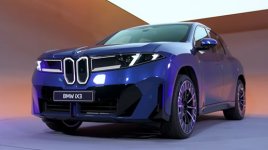
If you follow the electric-vehicle world even casually, you’ve probably noticed BMW making a lot of noise lately. And for good reason. The new BMW iX3, built on the company’s long-awaited Neue Klasse architecture, is more than just another electric SUV - it’s the blueprint for BMW’s next decade.
So here’s the big question:
Is the new iX3 actually good, or is BMW just hyping it up for North America?
Let’s dive in.
A New Era for BMW EVs
The old iX3 - the one that never came to North America - was basically an electrified X3. Solid, but not groundbreaking.
This new model?
Completely different story.
The Neue Klasse platform is BMW’s clean-sheet approach to EVs. New battery tech. New motors. New software. New design language. Think of it as BMW hitting the reset button and saying: “Okay, now we’re serious.”
What makes the new iX3 important:
- Brand-new 6th-generation battery cells
- Faster charging than anything BMW has offered before
- Bigger range thanks to improved energy density
- A next-gen interior with BMW’s fresh minimalist-premium style
- RWD and AWD options for U.S. and Canadian buyers
Range & Charging: The Numbers North Americans Care About
Let’s be honest: in the U.S. and Canada, range anxiety is real. Long interstates, extreme winters, and inconsistent fast-charging networks make range king.
BMW knows this.
Expected real-world specs:
- Estimated range: around 300–340 miles EPA (not yet finalized, but in line with EV6, Model Y LR, and Q4 e-tron)
- Battery capacity: ~100–110 kWh usable
- Charging: up to 400 kW peak (this is huge)
- 10–80% in roughly 18–22 minutes on an ultra-fast charger
And yes BMW confirmed North American compatibility with Tesla’s NACS connector, which helps a lot.
Driving Experience: Still Feels Like a BMW (In a Good Way)
BMW built its reputation on one thing: driving dynamics.
So the big fear was: will this just feel like another heavy electric box?
Based on early test drives from the EU:
Good news - it’s genuinely fun.
- Steering is tighter than most EV SUVs
- Weight is well-balanced thanks to the skateboard battery design
- AWD version has the classic BMW “rear-biased” feel
- Low cabin noise, even at 70+ mph
- Suspension tuned for comfort but not sloppy
If you miss the “BMW feel” but want to go electric, this might be the closest thing yet.
Interior & Tech: Familiar but Futuristic
BMW didn’t go full touchscreen-only like Tesla, and that’s a blessing in the U.S. and Canada where roads are long, distractions are dangerous, and buttons still matter.
Inside the iX3 you get:
- BMW’s new panoramic curved display
- Optional iDrive controller (thank you, BMW)
- Clean, modern layout without looking sterile
- High-quality materials that feel premium, not plasticky
- Spacious back seats more room than a Model Y
- A very usable cargo area for North American families
Practicality: Built for North American Life
BMW clearly thought about the U.S. and Canada during development:
- Large cargo opening → perfect for Costco runs
- Roof rails → for bikes, skis, kayaks
- AWD option → a must for snowy states and Canadian winters
- Heat pump standard → big improvement in cold-weather efficiency
- Towing capability → expected around 3,500–4,000 lbs
It’s designed to tackle real North American driving.
Price & Positioning
BMW hasn’t released final pricing for North America yet, but based on production cost and market positioning, expect:
Estimated MSRP:
$58,000 – $64,000 USD
$70,000 – $78,000 CAD
That places it right between:
- Tesla Model Y Long Range
- Mercedes EQB
- Audi Q4 e-tron
- Polestar 4
The Verdict: Is the New iX3 Any Good?
Short answer:
Yes and it might be BMW’s best EV yet.Long answer:
The iX3 is the EV BMW should have launched years ago.
It’s refined, comfortable, fast-charging, great to drive, and actually practical for North American lifestyles.
If the price lands right and if BMW delivers on range and charging promises this could easily become one of the most compelling electric SUVs in the U.S. and Canada.
Is it perfect?
Not yet. We still need:
- Official EPA range
- Real U.S./Canada winter testing
- Final charging curve verification