

Hyundai Tucson Plug-In Hybrid vs Mitsubishi Outlander PHEV (North America): Charging, Efficiency, Pricing & Real-World Ownership Guide
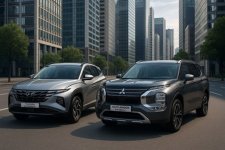
Plug-in hybrid SUVs continue to rise in popularity across North America as drivers look for vehicles that balance electric commuting with long-distance gasoline convenience. Two of the most common choices are the Hyundai Tucson Plug-In Hybrid and the Mitsubishi Outlander PHEV.
While both offer AWD, strong tech packages and EV-only range, they target slightly different buyers.
This article compares charging times, real-world consumption, pricing, practicality and known issues, with up-to-date information for the U.S. and Canada.
1. Overview of Both Models (North American Versions)
Hyundai Tucson Plug-In Hybrid
- Powertrain: 1.6L turbo + electric motor (261 hp combined)
- Battery: 13.8 kWh
- EV range (EPA): 33 miles
- Drivetrain: Standard AWD
- Official page: hyundaiusa.com
Mitsubishi Outlander PHEV
- Powertrain: 2.4L engine + dual electric motors (248 hp combined, higher peak output in EV mode)
- Battery: 20 kWh (North America spec)
- EV range (EPA): 38 miles
- Drivetrain: Super-All-Wheel-Control (S-AWC)
- Official page: mitsubishicars.com
2. Charging Times: Home, Level 2 and Fast Charging
Tucson Plug-In Hybrid
The Tucson PHEV does not support DC fast charging in North America.
Charging times:
- Level 1 (120V household): ~10–11 hours
- Level 2 (240V, 7.2 kW onboard charger): ~2 hours
Source: Hyundai USA charging specs
hyundaiusa.com
Outlander PHEV
The Outlander PHEV is one of the very few PHEVs in North America with DC fast-charging capability (CHAdeMO).
Charging times:
- Level 1: ~12–14 hours
- Level 2 (3.3 kW onboard charger): ~6.5 hours
- DC Fast Charge (up to 50 kW): 0–80% in ~38 minutes
Source: Mitsubishi Motors USA
mitsubishicars.com
- Tucson charges much faster at home because the battery is smaller and the onboard charger is stronger.
- Outlander is the only viable choice for public fast-charging on road trips.
3. Real-World Efficiency (EPA, U.S. & Canada)
Electric Range
According to EPA:
- Tucson PHEV: 33 miles EV range
- Outlander PHEV: 38 miles EV range
EPA sources:
fueleconomy.gov
Total Efficiency
- Tucson PHEV: 80 MPGe combined (EPA)
- Outlander PHEV: 64 MPGe combined (EPA)
The Tucson is more efficient, but the Outlander travels further on electricity, making it better for longer EV commutes.
Gas-Only Mode
When the battery is depleted, real-world consumption typically becomes:
- Tucson PHEV: 33–35 mpg highway equivalent
- Outlander PHEV: 26–28 mpg highway equivalent
Because the Outlander is heavier and uses a larger engine, it consumes more gasoline in hybrid mode.
4. Pricing and Value (U.S./Canada)
U.S. base prices (approx.):
- Hyundai Tucson PHEV: from $39,000 USD
- Mitsubishi Outlander PHEV: from $40,000 USD
Canadian pricing:
- Tucson PHEV: from ~$47,500 CAD
- Outlander PHEV: from ~$48,700 CAD
Manufacturer pricing pages:
Hyundai USA – hyundaiusa.com
Mitsubishi USA – mitsubishicars.com
Verdict:
Prices are surprisingly close in North America. The Tucson provides better MPGe and faster home charging, while the Outlander gives you more range, more interior space, and DC fast-charging.
5. Interior Space, Practicality & Cargo
Tucson PHEV Cargo Capacity
- 31.9 cu ft behind 2nd row
- 66.3 cu ft with rear seats folded
Outlander PHEV Cargo Capacity
- 33.5 cu ft behind 2nd row
- 64+ cu ft with seats folded
- Optional third-row emergency seating (North America)
Conclusion:
Outlander wins for families needing a larger cabin or 3rd-row flexibility, while Tucson is slightly roomier with seats folded.
6. Common Issues Reported in North America
Hyundai Tucson PHEV
- Occasional infotainment crashes (usually fixed by OTA or dealer software updates)
- Some reports of 12V auxiliary battery drain
- Rare charging communication errors with Level 2 chargers
Hyundai Technical Service Bulletins are available at:
nhtsa.gov
Mitsubishi Outlander PHEV
- Early DC fast-charging ports may reduce charging speed if overheated
- Some owners report firmness in suspension over rough roads
- Occasional EV range degradation after several years (normal for PHEVs, but more noticeable due to larger battery)
NHTSA recall & service info:
nhtsa.gov
Reliability summary:
Both models perform well overall, but Hyundai suffers more from software quirks, while Mitsubishi owners sometimes note battery-related aging due to larger capacity and frequent DC charging.
7. Which One Should You Buy in North America?
Choose the Hyundai Tucson Plug-In Hybrid if you want:
- The best MPGe efficiency
- Faster Level 2 charging at home
- A more modern cabin and smoother ride
- Lower fuel consumption in hybrid mode
- Lower long-term maintenance costs
Ideal for: urban commuters, suburban families, and home-charging users.
Choose the Mitsubishi Outlander PHEV if you want:
- DC Fast-Charging capability (rare in PHEVs)
- Longer EV range (38 miles EPA)
- More interior space and optional third row
- Better off-road capability due to S-AWC
Ideal for: road-trippers, families needing space, and drivers who want maximum electric versatility.
8. Final Verdict (North American Market)
The Hyundai Tucson Plug-In Hybrid is the better choice for commuters who value efficiency, fast home charging and refined driving.
The Mitsubishi Outlander PHEV is the superior option for drivers who want longer electric range and DC fast-charging capability features that make it unique among North American PHEVs.
For most buyers, the decision comes down to charging behavior and space needs. If you mostly charge at home and drive under 35 miles daily, choose the Tucson PHEV. If you want flexibility on long trips and bigger interior volume, the Outlander PHEV wins.
