

Charging an electric car at home is often worth it, as it tends to be more convenient and cost-effective compared to public charging or refueling with petrol or diesel. The savings can vary depending on electricity rates, fuel prices, and the efficiency of the vehicle.
Why Charging at Home is Worth It:
Lower Costs: Home charging is typically cheaper than public fast chargers or refueling with gasoline or diesel. You can charge during off-peak hours when electricity rates are lower (if your utility company offers such plans).
Convenience: Home charging eliminates the need to visit fueling stations, allowing you to charge overnight or whenever it's convenient.
Environmental Benefits: Charging from home, especially if powered by renewable energy, contributes to lowering your carbon footprint.
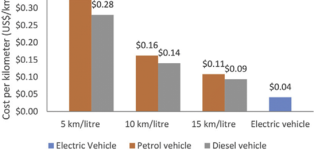
Cost Comparison: Home Charging vs. Petrol/Diesel
Let's break down the comparison:
1. Cost of Charging at Home
Average electricity rate: In the U.S., the national average is about $0.14 per kWh, while in Europe, it can range between €0.20-0.30 per kWh, depending on the country.
Efficiency of EVs: Most EVs consume around 15-30 kWh per 100 miles.
Example: For a vehicle that consumes 20 kWh per 100 miles:
Cost per 100 miles = 20 kWh * $0.14 = $2.80.
2. Cost of Petrol/Diesel
Average fuel price: Assume $3.50 per gallon for petrol (prices fluctuate based on region).
Fuel efficiency: Let’s take an average car with a fuel efficiency of 25 miles per gallon.
Example: For 100 miles:
Fuel needed = 100 miles ÷ 25 MPG = 4 gallons.
Cost per 100 miles = 4 gallons * $3.50 = $14.00.
Overall Savings
Charging at home: $2.80 per 100 miles.
Petrol car: $14.00 per 100 miles.
That’s a savings of around $11.20 per 100 miles in this example. If you drive 12,000 miles per year, that could mean annual savings of about $1,344 just in fuel costs, without factoring in maintenance savings (EVs have fewer moving parts and lower maintenance costs).
Factors That Affect Savings
Electricity rates: Higher rates or public fast-charging costs can narrow the gap.
Fuel prices: If fuel prices drop significantly, the cost advantage could lessen.
Driving habits: More mileage means higher potential savings.
In general, charging at home is much cheaper than fueling a petrol or diesel car, particularly in areas with favorable electricity rates.
Why Charging at Home is Worth It:
Lower Costs: Home charging is typically cheaper than public fast chargers or refueling with gasoline or diesel. You can charge during off-peak hours when electricity rates are lower (if your utility company offers such plans).
Convenience: Home charging eliminates the need to visit fueling stations, allowing you to charge overnight or whenever it's convenient.
Environmental Benefits: Charging from home, especially if powered by renewable energy, contributes to lowering your carbon footprint.
Cost Comparison: Home Charging vs. Petrol/Diesel
Let's break down the comparison:
1. Cost of Charging at Home
Average electricity rate: In the U.S., the national average is about $0.14 per kWh, while in Europe, it can range between €0.20-0.30 per kWh, depending on the country.
Efficiency of EVs: Most EVs consume around 15-30 kWh per 100 miles.
Example: For a vehicle that consumes 20 kWh per 100 miles:
Cost per 100 miles = 20 kWh * $0.14 = $2.80.
2. Cost of Petrol/Diesel
Average fuel price: Assume $3.50 per gallon for petrol (prices fluctuate based on region).
Fuel efficiency: Let’s take an average car with a fuel efficiency of 25 miles per gallon.
Example: For 100 miles:
Fuel needed = 100 miles ÷ 25 MPG = 4 gallons.
Cost per 100 miles = 4 gallons * $3.50 = $14.00.
Overall Savings
Charging at home: $2.80 per 100 miles.
Petrol car: $14.00 per 100 miles.
That’s a savings of around $11.20 per 100 miles in this example. If you drive 12,000 miles per year, that could mean annual savings of about $1,344 just in fuel costs, without factoring in maintenance savings (EVs have fewer moving parts and lower maintenance costs).
Factors That Affect Savings
Electricity rates: Higher rates or public fast-charging costs can narrow the gap.
Fuel prices: If fuel prices drop significantly, the cost advantage could lessen.
Driving habits: More mileage means higher potential savings.
In general, charging at home is much cheaper than fueling a petrol or diesel car, particularly in areas with favorable electricity rates.