

 Powertrain & Electric Range
Audi Q5 e‑hybrid (2026)
- Comes in two power levels:
- 220 kW / 450 Nm: ~6.2 s for 0–100 km/h
- 270 kW / 500 Nm: ~5.1 s
- 25.9 kWh (gross) battery → Up to ~100 km WLTP EV range
- EV mode operable up to ~140 km/h
- AC charging up to 11 kW, full charge in ~2.5 hours
BMW X3 xDrive30e
- 2.0 L petrol + electric motor
- Combined output: ~295 hp (~220 kW) and ~332 lb-ft (~450 Nm)
- 19.7 kWh battery → ~90 km WLTP electric range
- AC charging at 11 kW, ~2 h 15 min full charge time
Verdict: Audi wins in EV range and peak power, while BMW still provides strong hybrid efficiency with slightly lower electric-only range.
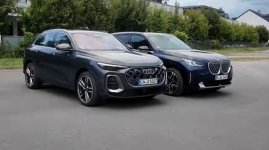
 Performance & Efficiency
| Feature | Audi Q5 e‑hybrid | BMW X3 xDrive30e |
|---|---|---|
| 0–100 km/h (highest tune) | ~5.1 s | ~6.2 s |
| Electric-only range (WLTP) | ~100 km | ~90 km |
| Charging | 11 kW AC ~2.5 h | 11 kW AC ~2.25 h |
| Combined fuel economy (WLTP/EPA equiv.) | ~26–27 mpg / low single‑digit l/100 km | ~27/33 mpg / slightly more efficient city |
| Bootspace | ~438 L upright (wagon) | ~1,600 L max with seats folded |
Verdict: The Audi offers higher performance and EV range; BMW achieves slightly better fuel efficiency and more cargo space.
 Cabin & Tech
Audi Q5
- Premium, tech-heavy interior:
- 14.5″ infotainment touchscreen
- 11.9″ digital instrument cluster
- Optional 10.9″ passenger display
- Android Automotive OS, 5G, OTA updates, wireless CarPlay/Android Auto
- Optional Bang & Olufsen 16‑speaker sound system, ambient lighting
- Suite of driver-assistance tech: adaptive cruise, lane-keep assist, 360° cameras, pre-sense safety
BMW X3
- Clean, minimalist design with curved panoramic display (iDrive 9)
- Ambient lighting configurable via My Modes; fabric trims available
- Spacious, subtle tech integration: steering wheels, HUD, rear user features
- Described with a “Shy Tech” approach for less intrusive functionality
- Praised for handling: lighter nose, engaging chassis feel
- X3 30e noted as the most premium and fun to drive among the new X3 range
Verdict: Audi prioritizes immersive digitization; BMW favors understated elegance and driver-focused cabin dynamics.
 Pricing & Value
- Audi Q5 e‑hybrid (Europe): ~€63,400 for base SUV; €65,900 for Sportback; higher‑power option adds ~€8,400 (~26 M HUF in Hungary)
- In U.S./Canada: Expected starting around $55K (Q5 Hybrid) vs. $56K for X3 xDrive30e
Summary: Audi is slightly more expensive depending on trim, but delivers more EV range and premium equipment standard.
 Pros & Cons at a Glance
Audi Q5 e‑hybrid
Pros:
- Long electric range (up to 100 km WLTP)
- Strong performance baseline
- Cutting‑edge tech and display interfaces
- Premium interior quality
Cons: - Pricier than BMW hybrid sibling
- Boot space slightly less flexible
- Hybrid complexity potentially higher maintenance costs
BMW X3 xDrive30e
Pros:
- Excellent fuel efficiency and MPG
- Engaging drive, sharper chassis and handling
- Larger cargo capacity and overall interior space
- Price slightly lower at entry-level
Cons: - Less electric-only range
- Less flashy tech and fewer screens
- Inside styling more conservative
 So—which should YOU choose?
- Choose the Audi Q5 e‑hybrid if you want the most EV-only range, a richer digital cabin, stronger performance, and don’t mind paying a premium.
- Pick the BMW X3 xDrive30e if you prefer a sportier drive feel, better fuel economy, more cargo flexibility, and a more modest pricing package.
Final thoughts:
- Both deliver smart hybrid powertrains with AWD grip.
- Audi emphasizes tech, refinement, and electric-first use cases.
- BMW leans into driver engagement, efficiency, and practicality.